

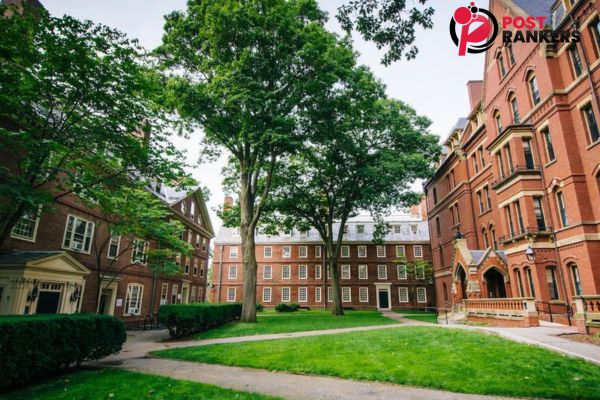
Radcliffe College holds a special place in American higher education because it opened academic opportunities for women when Harvard College still excluded them from regular undergraduate study. Founded in the late 19th century, the institution developed a powerful connection with Harvard while building its own identity, traditions, leaders, and alumnae community. Its history reflects the long struggle for women’s educational equality and the changing role of women in American academic life.
What Was Radcliffe College?
2Radcliffe College was a historic women’s liberal arts college in Cambridge, Massachusetts, created to provide women with an education equivalent to the academic opportunities available at Harvard College. The institution began in 1879 as the Harvard Annex, where qualified women studied courses taught by Harvard instructors. Over time, the organization expanded and gained formal recognition, eventually becoming Radcliffe College in 1894.
The college received its name in honor of Ann Radcliffe, Lady Mowlson, whose financial support helped establish Harvard College’s first undergraduate scholarship fund in the 17th century. Although Radcliffe maintained a close academic relationship with Harvard, it operated as a separate institution for much of its history. That unique arrangement shaped the educational experiences of generations of women.
The Founding of Radcliffe College
The origins of Radcliffe College began during a period when American women increasingly demanded access to advanced education. In 1879, reformers established the Harvard Annex to give women the opportunity to study with Harvard faculty members. The early program started with only a small group of students, but interest quickly grew as more women sought rigorous academic training.
Elizabeth Cary Agassiz played a central role in the institution’s development and became its first president after the organization evolved into the Society for the Collegiate Instruction of Women. The Massachusetts legislature chartered Radcliffe College in 1894, marking a major step in its institutional history. From that point forward, the college established a stronger academic structure and expanded its educational influence.
Why the Harvard Connection Mattered
The relationship between Radcliffe and Harvard created both opportunities and challenges. Radcliffe students could receive instruction from Harvard professors, yet the two institutions remained legally and administratively distinct. This arrangement allowed women to access an elite academic environment while reflecting the gender barriers that existed in American higher education at the time.
For many years, Radcliffe degrees carried a connection to Harvard’s academic standards. However, the college also developed its own campus life, leadership, traditions, and community. As a result, Radcliffe became more than an extension of Harvard. It grew into a respected institution with a distinct identity and a lasting place in the history of women’s education.
Radcliffe College and the Expansion of Women’s Education
Radcliffe College played an important role in expanding educational opportunities for women across the United States. At a time when many universities limited women’s access to advanced study, Radcliffe provided a rigorous liberal arts education that prepared students for careers in writing, science, education, law, medicine, public service, and the arts.
The college also demonstrated that women could succeed in demanding academic environments when institutions provided meaningful access and resources. Over the decades, Radcliffe students pursued scholarship across numerous disciplines. Their achievements helped challenge outdated assumptions about women’s intellectual abilities and strengthened the broader movement for educational equality.
Academic Life and Student Opportunities
Students at Radcliffe experienced a demanding academic environment shaped by the traditions of Harvard and the college’s own educational goals. Coursework covered the humanities, sciences, social sciences, languages, and other fields associated with a comprehensive liberal arts education. Meanwhile, the institution gradually expanded its programs and opportunities for research and intellectual development.
Radcliffe also became known for its strong community of alumnae. Graduates carried their education into journalism, literature, scientific research, public leadership, education, medicine, and creative work. Their achievements helped create a powerful legacy that extended well beyond the Cambridge campus and influenced many areas of American culture.
Important Leaders in Radcliffe’s History
Strong leadership shaped Radcliffe College throughout its existence. Elizabeth Cary Agassiz guided the institution during its formative years, while later presidents helped the college respond to changing expectations about women, education, and professional opportunity. Each administration contributed to the college’s evolving relationship with Harvard and the wider academic world.
One especially influential leader was Mary Ingraham Bunting, who became Radcliffe’s fifth president. Bunting recognized that women often faced social expectations that limited their academic and professional ambitions. In 1960, she founded the Institute for Independent Study, creating an important model for supporting women scholars, scientists, and artists who needed time and resources to pursue ambitious work.
The Path Toward Harvard Integration
The relationship between Radcliffe College and Harvard changed significantly during the 20th century. In 1943, the two institutions reached an important agreement that expanded joint instruction. Later developments brought greater cooperation in admissions, academic programs, and campus life. These changes gradually reduced the separation between the two institutions.
By the 1970s, Radcliffe and Harvard had established a more formal educational partnership. The process reflected broader changes in American higher education, particularly the growing movement toward coeducation and equal access. However, Radcliffe continued to maintain its own institutional traditions and remained an important center of women’s academic life.
What Happened to Radcliffe College?
Radcliffe College officially merged with Harvard University in 1999. The merger ended Radcliffe’s existence as an independent women’s college and established the Harvard Radcliffe Institute for Advanced Study. This transition represented a major turning point in the history of both institutions.
The merger did not erase Radcliffe’s identity or historical importance. Instead, its legacy continued through the institute’s interdisciplinary research, academic programs, cultural initiatives, and commitment to studying women, gender, and society. Today, the Harvard Radcliffe Institute carries forward many of the intellectual values that shaped the former college.
Radcliffe College’s Lasting Legacy
The influence of Radcliffe College remains visible through its alumnae, archives, traditions, and contributions to women’s education. Its graduates entered fields that once offered limited opportunities to women and helped expand public expectations about what women could achieve. Their work strengthened the college’s reputation as an important institution in American intellectual and cultural history.
The college’s archives also preserve valuable records about women’s education, campus life, academic leadership, and the evolving relationship between Radcliffe and Harvard. These materials help historians understand how women navigated higher education during periods of major social change. Therefore, Radcliffe’s history remains relevant to researchers studying gender, education, institutional development, and American society.
Why Radcliffe College Still Matters Today
Radcliffe College still matters because its history reflects a larger transformation in American education. The institution began as a response to exclusion, developed into a respected women’s college, and eventually became part of a broader university structure. Its story shows how educational institutions can change while preserving the achievements and experiences of earlier generations.
More importantly, Radcliffe demonstrated the value of creating opportunities for talented people who previously faced institutional barriers. Its graduates contributed to literature, science, journalism, public service, education, and numerous other fields. The college’s legacy therefore extends beyond its buildings or organizational structure and continues through the people and ideas it helped develop.
Conclusion
Radcliffe College was far more than a historic women’s college connected to Harvard. From its beginnings as the Harvard Annex in 1879 to its official merger with Harvard in 1999, the institution helped reshape American higher education and expanded opportunities for generations of women. Its leaders, students, scholars, and alumnae created a legacy that continues through the Harvard Radcliffe Institute. Ultimately, Radcliffe College remains an important symbol of academic opportunity, intellectual achievement, and the continuing evolution of women’s education.
