

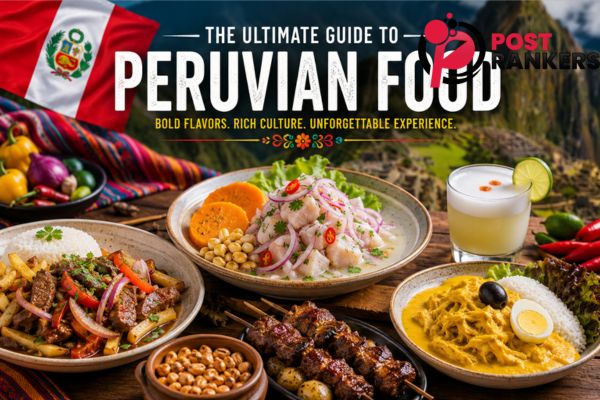
The Rich Story Behind Peruvian Food
Peru is known for breathtaking mountains, ancient history, and vibrant culture, but one of its greatest treasures is undoubtedly its cuisine. Peruvian food has become one of the most celebrated culinary traditions in the world because it combines fresh ingredients, deep cultural roots, and unforgettable flavors. In recent years, food lovers everywhere have started exploring Peruvian dishes, and many chefs now consider Peru one of the top gastronomic destinations on the planet.
What makes Peruvian food so special is its ability to blend traditions from different cultures into one exciting culinary identity. Indigenous cooking methods mix naturally with Spanish, African, Chinese, and Japanese influences, creating meals that feel rich, layered, and unique. Every bite tells a story of migration, history, and regional diversity.
Unlike cuisines that rely heavily on one style of cooking, Peruvian food offers incredible variety. Some dishes feel light and refreshing, while others deliver bold spices and comforting textures. Whether someone enjoys seafood, grilled meats, rice dishes, or hearty soups, Peru’s cuisine offers something memorable for every palate.
Why Peruvian Food Stands Out Globally
A Blend of Multiple Cultures
One reason Peruvian food attracts global attention is its multicultural foundation. When Spanish colonizers arrived in Peru centuries ago, they introduced European ingredients and cooking methods. Later, African communities, Chinese immigrants, and Japanese settlers added their own culinary traditions to the mix. Instead of replacing local cuisine, these cultures blended together naturally over time.
As a result, modern Peruvian dishes combine flavors and techniques from several continents. Soy sauce appears in some recipes because of Chinese influence, while Japanese traditions shaped Peru’s seafood preparation methods. This fusion gives Peruvian cuisine a flavor profile unlike any other in Latin America.
The country’s cultural diversity also encourages culinary creativity. Chefs in Peru constantly experiment with ingredients while still respecting traditional recipes. Consequently, Peruvian food feels both deeply historic and refreshingly modern at the same time.
Diverse Geography Creates Diverse Ingredients
Peru’s geography plays a huge role in shaping its cuisine. The country includes coastal regions, high mountains, and rainforest areas, each offering completely different ingredients and cooking traditions. Coastal cities rely heavily on seafood, while mountain communities focus more on potatoes, corn, quinoa, and meats.
Additionally, Peru grows thousands of potato varieties, many of which are rarely seen outside the country. Corn also comes in several colors and textures, adding visual richness to many dishes. Fresh herbs, tropical fruits, peppers, and grains further expand the possibilities within Peruvian cooking.
This ingredient diversity allows Peruvian chefs to create meals with incredible depth. Even simple dishes often contain multiple textures, layers of flavor, and carefully balanced seasonings.
Famous Traditional Peruvian Dishes
Ceviche: Peru’s National Treasure
Ceviche is perhaps the most famous dish associated with Peruvian food. It features fresh raw fish marinated in lime juice along with onions, chili peppers, cilantro, and salt. The acidity from the citrus effectively cures the fish while preserving its delicate texture and flavor.
Ceviche represents the freshness and simplicity that make Peruvian cuisine so appealing. Although the ingredients seem straightforward, the balance between citrus, spice, and seafood requires real skill. Most restaurants serve ceviche with sweet potatoes and corn, which help balance the bright acidity of the dish.
Because Peru has access to high-quality seafood along the Pacific coast, ceviche became a central part of the country’s identity. Today, many international chefs attempt to recreate it, but authentic Peruvian ceviche remains difficult to match.
Lomo Saltado: A Perfect Fusion Dish
Lomo Saltado perfectly demonstrates Peru’s Chinese culinary influence. This popular dish combines beef strips, onions, tomatoes, soy sauce, and spices in a sizzling stir-fry usually served with rice and fries. At first glance, the combination may seem unusual, yet the flavors work together beautifully.
The dish highlights how Peruvian cuisine embraces cultural blending instead of resisting it. Chinese immigrants introduced stir-frying techniques to Peru, and local cooks adapted those methods using regional ingredients. The result became one of the country’s most beloved comfort foods.
Lomo Saltado remains popular because it feels hearty, flavorful, and satisfying without becoming overly complicated. The balance between savory beef, crispy fries, and seasoned rice creates a meal that appeals to many different tastes.
Aji de Gallina
Aji de Gallina is another traditional favorite that reflects the comforting side of Peruvian food. The dish features shredded chicken covered in a creamy sauce made with yellow chili peppers, cheese, milk, bread, and walnuts. It is usually served with potatoes and rice.
Although the sauce looks rich, the chili peppers add a mild warmth rather than intense heat. This balance makes the dish approachable even for people unfamiliar with spicy foods. Many Peruvians consider Aji de Gallina a comforting homemade meal connected to family traditions and childhood memories.
Anticuchos and Street Food Culture
Anticuchos are grilled skewers traditionally made with beef heart marinated in vinegar, garlic, and spices. While some visitors hesitate at first, the smoky flavor and tender texture often surprise them positively. Anticuchos are especially popular as evening street food across Peru.
Street food culture remains an important part of daily life in Peru. Vendors prepare fresh snacks in busy public spaces, creating an energetic atmosphere filled with incredible aromas. Besides anticuchos, popular street foods include tamales, empanadas, picarones, and grilled meats.
Street food allows visitors to experience authentic local flavors without formal restaurant settings. In many ways, these small food stalls capture the spirit of Peruvian cuisine better than luxury dining establishments.
The Role of Fresh Ingredients in Peruvian Cooking
Freshness sits at the heart of Peruvian food. Unlike heavily processed cuisines, Peruvian dishes often rely on natural ingredients prepared carefully to preserve their original flavors. Lime juice, herbs, seafood, vegetables, and peppers all play major roles in creating vibrant meals.
Quinoa is another important ingredient frequently associated with Peru. Long before quinoa became a global health trend, Andean communities relied on it as a dietary staple. Today, many modern Peruvian dishes still incorporate quinoa into soups, salads, and side dishes.
Aji peppers also define many recipes. These peppers range from mildly sweet to intensely spicy and add depth without overwhelming other ingredients. Peruvian cooks use them to build flavor gradually rather than simply adding heat.
Additionally, Peru’s access to tropical fruits, fresh seafood, and mountain-grown produce gives chefs an impressive variety of ingredients to work with year-round.
Why Peruvian Food Keeps Growing in Popularity
International Recognition
Lima has become one of the world’s leading food capitals. International travelers now visit the city specifically to experience its restaurants and culinary culture. Several Peruvian restaurants consistently appear on lists featuring the world’s best dining destinations.
This recognition has helped Peruvian cuisine expand globally. Restaurants serving ceviche, lomo saltado, and other traditional dishes now operate across North America, Europe, and Asia. As more people discover these flavors, interest in Peruvian food continues increasing rapidly.
Moreover, modern diners appreciate cuisines that combine bold taste with fresh ingredients. Peruvian food satisfies both expectations while also offering exciting cultural history.
Social Media and Food Tourism
Social media has also contributed to Peru’s culinary rise. Brightly colored dishes, artistic plating, and visually appealing ingredients photograph beautifully online. Travelers frequently share images of ceviche, grilled meats, and tropical desserts, encouraging others to explore the cuisine themselves.
Food tourism now plays a major role in Peru’s economy. Visitors often plan entire trips around restaurant experiences, cooking classes, and food markets. Consequently, Peruvian cuisine has become an important cultural ambassador for the country worldwide.
Final Thoughts
Peruvian food stands out because it combines history, culture, freshness, and creativity into every meal. From the bright acidity of ceviche to the comforting richness of Aji de Gallina, each dish reflects centuries of cultural exchange and culinary evolution.
The cuisine’s growing international reputation is not simply a passing trend. Instead, it reflects the genuine quality and diversity that Peruvian cooking offers. Whether enjoyed in a fine dining restaurant or at a busy street market, Peruvian food creates memorable experiences that connect people through flavor and tradition.
As global interest continues growing, more people are discovering why Peru has become one of the most exciting culinary destinations in the world. For anyone seeking bold flavors, fresh ingredients, and meaningful cultural experiences, Peruvian food delivers all three in unforgettable ways.
