

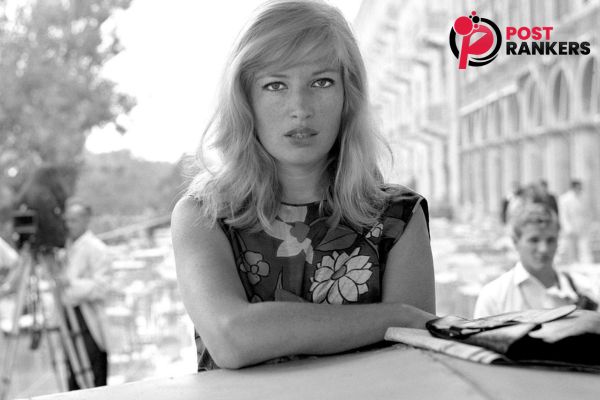
Monica Vitti became one of the most distinctive actresses in Italian cinema through a career that moved effortlessly between serious drama, psychological storytelling, and popular comedy. Born Maria Luisa Ceciarelli in Rome, Italy, she developed an unforgettable screen presence that made her a defining figure of European film. Her work with Michelangelo Antonioni brought international recognition, while her later comedies revealed remarkable range and timing.
Who Was Monica Vitti?
Monica Vitti was an Italian actress, comedian, writer, and director celebrated for her versatility and powerful performances. She was born on November 3, 1931, in Rome and entered the entertainment world through theater before establishing herself as a major film actress. Although audiences often associate her with Antonioni’s groundbreaking films, her career extended far beyond those collaborations.
Vitti built a reputation by choosing roles that demanded emotional intelligence and expressive control. She could portray isolation, uncertainty, desire, frustration, and humor with equal conviction. Consequently, she avoided being limited to one genre or screen image. Her ability to shift between intellectual cinema and mainstream entertainment helped make her one of Italy’s most admired performers.
Monica Vitti’s Early Life and Acting Beginnings
Vitti developed an interest in acting during her youth, even while living through the difficult years surrounding World War II. She later studied at Rome’s National Academy of Dramatic Arts, where she developed her performance technique and gained valuable theatrical experience. Her early stage work helped her understand voice, movement, timing, and character development.
After beginning her professional career in theater, she gradually moved toward film and television. During her early years, she also worked in voice dubbing, an important part of Italian cinema at the time. That experience strengthened her vocal skills and helped her understand how performance could communicate emotion even without relying heavily on physical action.
Monica Vitti and Michelangelo Antonioni
The collaboration between Monica Vitti and director Michelangelo Antonioni became one of the most important partnerships in modern European cinema. Their professional relationship began with L’Avventura in 1960, a film that challenged traditional storytelling through its atmosphere, emotional ambiguity, and focus on alienation.
Vitti continued working with Antonioni in La Notte, L’Eclisse, and Red Desert. These films explored changing relationships, emotional distance, modern life, and the difficulty of finding meaning in a rapidly changing world. Vitti’s performances suited Antonioni’s style because she could communicate complex emotions through silence, gestures, and subtle expressions.
How Monica Vitti Became an International Cinema Icon
Vitti’s performances in Antonioni’s films established her as an international cinema icon. She did not depend on lengthy dialogue or dramatic gestures to command attention. Instead, she often created powerful characters through controlled expressions and carefully measured movements.
Her role in Red Desert particularly demonstrated her ability to portray psychological distress and emotional instability with extraordinary depth. Meanwhile, L’Eclisse showed her ability to carry a story built around uncertainty and emotional disconnection. Together, these performances established Vitti as a major figure in the history of art-house and European cinema.
Monica Vitti’s Successful Comedy Career
Although her dramatic work brought international acclaim, Monica Vitti later became one of Italy’s most successful comedy actresses. This transition surprised some viewers because her earlier films carried such serious and intellectual themes. However, her comic performances proved that her talent extended far beyond dramatic cinema.
Vitti possessed excellent timing, expressive physical comedy, and a sharp understanding of character. She could make audiences laugh without losing emotional credibility. As a result, she became a major figure in Italian comedy during the 1960s, 1970s, and 1980s. Her success demonstrated that a respected dramatic actress could also become a beloved mainstream entertainer.
The Girl with a Pistol and Mainstream Success
One of Vitti’s most notable comedy roles came in The Girl with a Pistol (La ragazza con la pistola), directed by Mario Monicelli. The film allowed her to display a completely different side of her talent. She played a character who experiences cultural and personal changes while navigating an unfamiliar environment.
The performance earned widespread recognition and helped strengthen Vitti’s position as a leading Italian star. More importantly, the film demonstrated her ability to combine humor with social observation. She could entertain audiences while also bringing intelligence and emotional detail to characters facing difficult circumstances.
Monica Vitti’s Major Films and Career Range
Throughout her career, Vitti appeared in numerous films that demonstrated her remarkable versatility. Her filmography included serious dramas, romantic stories, comedies, and character-driven productions. Instead of repeating the same role, she regularly explored new personalities and different styles of storytelling.
Her most celebrated works include L’Avventura, La Notte, L’Eclisse, Red Desert, and The Girl with a Pistol. She also appeared in films such as The Scarlet Lady, The Pizza Triangle, and The Immortal Bachelor. Each project contributed to a career that combined artistic achievement with broad popular appeal.
Monica Vitti as a Writer and Director
Vitti also explored creative work beyond acting. In 1989, she made her directorial debut with Secret Scandal (Scandalo Segreto). The film represented another stage in her artistic development and showed her interest in participating in the filmmaking process from behind the camera.
Although audiences primarily remember Vitti for her performances, her work as a director and writer adds another dimension to her legacy. She understood cinema not only as an actor but also as a creative medium involving storytelling, visual choices, performance, and collaboration. That broader perspective strengthened her reputation as a complete artist.
Monica Vitti’s Awards and Lasting Recognition
Vitti received major recognition throughout her career. Her achievements included multiple David di Donatello Awards, one of Italy’s most important film honors. She also received the Venice Film Festival’s Career Golden Lion, recognizing her significant contribution to cinema.
These honors reflect the extraordinary range of her work. Vitti succeeded in both critically respected films and popular entertainment, a balance that few performers achieve. Her awards also confirm her importance within Italian cinema and the broader history of European film.
Why Her Acting Style Still Matters
Vitti’s acting style continues to interest film students, critics, and audiences because she understood the power of restraint. She could communicate emotional conflict through a look, a pause, or a small change in posture. That approach made her performances feel layered rather than overly explained.
At the same time, her comedy showed a completely different form of control. She understood rhythm, reaction, and physical expression. Therefore, her career offers a valuable example of how an actor can develop multiple performance languages without losing a recognizable artistic identity.
Monica Vitti’s Personal Life and Later Years
Vitti married Italian filmmaker Roberto Russo, and the couple remained together for many years. She generally maintained a relatively private personal life compared with many modern celebrities. Consequently, much of her public legacy centers on her films, artistic collaborations, and contribution to Italian culture.
In her later years, Vitti largely withdrew from public life. Reports about her health received attention, but responsible accounts should distinguish confirmed information from speculation. She died on February 2, 2022, at the age of 90, leaving behind a film legacy that continues to attract new audiences.
The Enduring Legacy of Monica Vitti
Monica Vitti remains important because she successfully connected two seemingly different worlds of cinema. Her Antonioni films established her as a powerful performer in modern European art cinema, while her comedies made her a beloved star among mainstream Italian audiences. Few actresses have achieved that combination with such consistency.
Her influence also comes from her refusal to remain creatively predictable. She moved from theater to film, from psychological drama to comedy, and eventually into writing and directing. As a result, her career represents artistic curiosity and professional courage. New generations continue to discover her work because her performances remain emotionally intelligent, visually compelling, and remarkably human.
Conclusion
Monica Vitti remains one of the most extraordinary figures in Italian cinema history. From her groundbreaking collaborations with Michelangelo Antonioni to her celebrated comedy career, she demonstrated a rare ability to transform completely while maintaining exceptional artistic quality. Her work as an actress, comedian, writer, and director created a legacy that continues to influence how audiences understand the range of European film performance. Decades after her greatest roles, Monica Vitti remains a powerful symbol of talent, versatility, and cinematic individuality.
