

ntroduction to Colombian Food
Colombian food is a vibrant reflection of the country’s diverse geography, rich cultural history, and deeply rooted traditions. From the snowy Andes to the tropical Caribbean coast, every region contributes unique flavors and cooking styles that make Colombian cuisine both varied and unforgettable. Moreover, it blends Indigenous ingredients with Spanish and African influences, creating dishes that feel both familiar and exciting. As a result, Colombian food has gained global attention for its hearty textures, comforting warmth, and bold yet balanced flavors that appeal to almost every palate.
Cultural Roots and Culinary Identity of Colombian Food
The story of Colombian food begins with a powerful mix of cultural influences that shaped its identity over centuries. Indigenous communities first introduced staples like corn, potatoes, and beans, which remain essential today. Later, Spanish colonization brought rice, livestock, and new cooking techniques, while African traditions added depth through spices and preparation styles. Consequently, Colombian cuisine evolved into a rich fusion that represents resilience and creativity. Today, every traditional dish tells a story, connecting modern Colombians to their ancestors through food that is both meaningful and delicious.
Staple Ingredients That Define Colombian Food
At the heart of Colombian food lies a set of staple ingredients that appear in almost every household meal. Rice, beans, corn, plantains, and potatoes form the foundation of daily cooking, while meats like chicken, beef, and pork add richness and protein. Additionally, fresh herbs and tropical fruits bring brightness and balance to heavier dishes. Because of this strong agricultural base, Colombian meals often feel filling and nourishing. These ingredients are not just cooking essentials; they represent the country’s connection to its land and farming traditions.
Arepas: The Everyday Essential
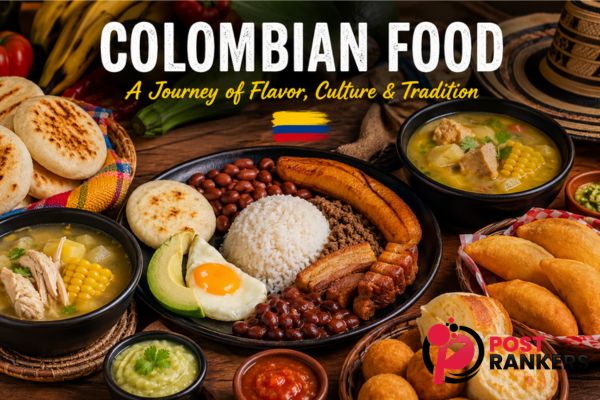
Arepas are one of the most iconic elements of Colombian food and serve as a daily staple across the country. Made from ground corn dough, they are simple yet incredibly versatile. People enjoy them grilled, baked, or fried, and they can be served plain or stuffed with cheese, eggs, or meat. Furthermore, arepas vary by region, with coastal areas preferring softer versions while inland regions often enjoy thicker styles. Because of their flexibility, arepas have become a symbol of comfort and cultural identity in Colombian households.
Bandeja Paisa: The Hearty National Favorite
Bandeja Paisa stands as one of the most famous examples of Colombian food, known for its generous portions and bold flavors. This dish typically includes rice, beans, ground beef, chicharrón, fried egg, plantain, avocado, and sausage, all served on a single large plate. Originally created to provide energy for hardworking farmers, it remains a symbol of abundance and tradition. Moreover, its combination of textures and flavors reflects the richness of Colombian culinary culture, making it a must-try dish for anyone exploring the country’s cuisine.
Traditional Soups and Comforting Stews in Colombian Food
Soups play a major role in Colombian food culture, especially in cooler Andean regions where warm meals are essential. Dishes like ajiaco, a chicken and potato soup, offer comfort and depth with every spoonful. Similarly, sancocho combines meat, plantains, yucca, and corn into a rich and satisfying stew enjoyed during family gatherings. These dishes are more than just meals; they represent hospitality and togetherness. Additionally, soups in Colombia often vary by region, reflecting local ingredients and seasonal availability, which keeps the cuisine dynamic and diverse.
Street Food Culture and Everyday Colombian Food Experiences
Street food is an essential part of Colombian food culture and offers a quick, affordable way to enjoy traditional flavors. Vendors sell empanadas filled with meat or potatoes, crispy buñuelos made with cheese, and sweet pandebono that pairs perfectly with coffee. In addition, fresh fruit cups and juices made from tropical produce are widely available in markets and streets. Because of this strong street food culture, Colombians can enjoy delicious meals on the go while staying connected to traditional flavors and cooking styles.
Regional Diversity That Shapes Colombian Food
One of the most fascinating aspects of Colombian food is its regional diversity, which creates distinct culinary identities across the country. The Andean region focuses on hearty soups, potatoes, and meat-based dishes, while the Caribbean coast highlights seafood, coconut rice, and fried fish. Meanwhile, the Amazon region introduces exotic fruits and river fish, offering unique flavors not found elsewhere. Furthermore, the coffee-growing region combines traditional meats with agricultural richness. This regional variation ensures that Colombian cuisine remains dynamic, colorful, and deeply rooted in local environments.
Caribbean Influence on Colombian Food
The Caribbean coast adds a vibrant and tropical touch to Colombian food, heavily influencing both ingredients and cooking methods. Coconut milk, plantains, and seafood are widely used, creating dishes that feel light yet flavorful. Additionally, fried fish served with rice and salad is a coastal favorite that reflects the region’s access to fresh ocean ingredients. Because of the warm climate, meals here often emphasize freshness and simplicity, making Caribbean cuisine one of the most refreshing expressions of Colombian culinary tradition.
Drinks and Desserts in Colombian Food Culture
Colombian food culture is not complete without its wide range of beverages and desserts that complement daily meals. Fresh fruit juices made from mango, guava, and passionfruit are extremely popular and often consumed throughout the day. Additionally, traditional drinks like aguapanela provide a simple yet refreshing taste made from sugarcane. For desserts, options like flan, rice pudding, and arequipe-filled treats satisfy sweet cravings. These beverages and sweets highlight the country’s love for natural ingredients and balanced flavors.
Conclusion: Why Colombian Food Stands Out Globally
Colombian food continues to gain international recognition because it offers a perfect blend of tradition, flavor, and cultural identity. Every dish tells a story rooted in history, geography, and community values. Moreover, its combination of hearty ingredients and fresh flavors makes it both comforting and exciting. As more people explore global cuisines, Colombian food stands out as a delicious example of how culture and cooking come together to create something truly memorable and universally appealing.
