

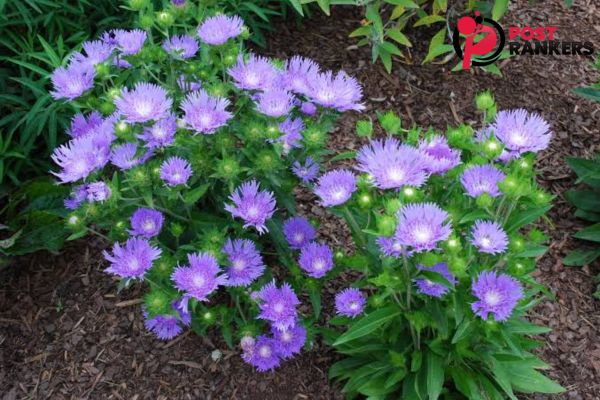
Stokes aster is one of the most rewarding perennial flowers for gardeners who want long-lasting color with minimal maintenance. Known for its large, fringed blooms and ability to attract butterflies and bees, this native North American plant adds charm to borders, cottage gardens, and pollinator-friendly landscapes. Whether you are an experienced gardener or planting your first flower bed, Stokes aster offers dependable performance, vibrant blooms, and impressive resilience throughout the growing season.
Table of Contents
ToggleWhat Is Stokes Aster?
Stokes aster (Stokesia laevis) is a herbaceous perennial native to the southeastern United States. Although its common name includes “aster,” it belongs to the daisy family and differs from the traditional asters that bloom in autumn. Instead, it produces large pincushion-shaped flowers from late spring through summer, creating months of visual interest in the garden.
The plant grows in tidy clumps with glossy evergreen foliage that remains attractive even when flowers are not present. Because of its compact growth habit, Stokes aster fits beautifully into small residential gardens as well as larger landscape designs.
Why Gardeners Love Stokes Aster
Many flowering perennials provide only a short bloom period, but Stokes aster continues producing blossoms for weeks when properly maintained. Its striking flowers appear larger than many native wildflowers, making them a natural focal point in garden beds.
In addition, the plant adapts well to different garden styles. It complements formal borders, naturalized landscapes, pollinator gardens, and mixed perennial beds. Since it requires relatively little care after establishment, many homeowners consider it one of the easiest long-blooming perennials to grow.
Plant Characteristics
Stokes aster combines elegant flowers with attractive foliage that performs well throughout the growing season. Even before blooming begins, the plant contributes texture and structure to flower beds.
Typical characteristics include:
- Height of 12 to 24 inches
- Spread of 12 to 24 inches
- Large fringed flowers measuring 3 to 4 inches across
- Deep green lance-shaped leaves
- Upright, compact growth habit
- Long flowering season from late spring into summer
These features make Stokes aster suitable for borders, containers, and mass plantings where consistent color is desired.
Flower Colors and Popular Varieties
One reason Stokes aster remains popular is the wide variety of flower colors available. Gardeners can easily match different cultivars with existing landscape themes while maintaining a natural appearance.
Popular varieties include:
- Blue Danube with vibrant blue blooms
- Peachie’s Pick, valued for large lavender-blue flowers
- Divinity, featuring brilliant white blossoms
- Rosea, known for soft pink flowers
- Mary Gregory, a rare yellow-flowering cultivar appreciated by collectors
Planting several colors together creates an attractive display that blooms continuously throughout the season.
Growing Conditions for Healthy Stokes Aster
Stokes aster performs best when gardeners provide conditions similar to its native habitat. Fortunately, it adapts well to many home landscapes as long as basic growing requirements are met.
Choose a location that receives at least six hours of sunlight each day. While the plant tolerates partial shade, full sun generally produces stronger stems and more abundant flowers. Morning sun with light afternoon shade works especially well in regions with extremely hot summers.
The soil should remain fertile, moist, and well-drained. Heavy clay soils often retain excessive moisture during winter, increasing the risk of root problems. Improving drainage with compost or organic matter helps create healthier growing conditions.
Watering and Fertilizing
Newly planted Stokes aster benefits from regular watering until roots become established. Afterwards, the plant tolerates short dry periods better than many flowering perennials. Nevertheless, consistent moisture encourages longer blooming and healthier foliage during hot weather.
Fertilizing should remain moderate. Applying a balanced, slow-release fertilizer in early spring usually provides sufficient nutrients for the entire growing season. Excess fertilizer often produces lush leaves at the expense of flowers, so restraint delivers better overall results.
Planting Stokes Aster Successfully
Proper planting gives Stokes aster the strongest possible start. Spring and early fall generally provide the best planting windows because temperatures remain mild while roots establish before seasonal extremes arrive.
Dig a planting hole approximately twice as wide as the root ball while maintaining the same planting depth as the nursery container. After backfilling, water thoroughly to eliminate air pockets around the roots. Finally, spread organic mulch around the plant while keeping it several inches away from the crown to discourage rot.
Caring for Stokes Aster Throughout the Season
One of the greatest advantages of Stokes aster is its relatively simple maintenance routine. A few basic care practices help maximize flowering while keeping plants vigorous for many years.
Deadheading faded flowers encourages additional blooms and improves the plant’s appearance. Removing spent flower stalks also prevents unnecessary seed production, allowing the plant to direct more energy toward continued flowering.
During early spring, remove damaged or dead foliage before new growth begins. Every three to five years, divide mature clumps to improve vigor, reduce overcrowding, and create additional plants for other areas of the garden.
Winter Care
Although Stokes aster tolerates cold winters across USDA Zones 5 through 9, proper winter care improves long-term survival. Good drainage remains especially important because overly wet soil can damage crowns during freezing weather.
Many gardeners leave healthy foliage intact until late winter since it offers some natural insulation. Once new growth appears in spring, simply trim away the previous year’s leaves before fresh stems emerge.
Pollinator Benefits of Stokes Aster
Few garden flowers support pollinators as effectively as Stokes aster. Its nectar-rich blooms attract butterflies, honeybees, native bees, and numerous beneficial insects throughout its extended flowering season.
Pollinator gardens benefit from planting Stokes aster alongside coneflowers, black-eyed Susans, bee balm, blazing star, and native grasses. Together, these plants create continuous food sources that support wildlife from spring through fall while producing an attractive landscape for homeowners.
Because deer and rabbits typically show less interest in Stokes aster than many other ornamentals, gardeners often experience fewer browsing problems compared with more vulnerable flowering plants.
Common Problems and Simple Solutions
Stokes aster rarely suffers from serious pest or disease issues when grown under suitable conditions. Most problems result from poor drainage or excessive moisture rather than insects.
Root rot may develop if plants remain in waterlogged soil during winter. Powdery mildew occasionally appears in humid weather with poor air circulation, although proper spacing usually minimizes this issue. Aphids sometimes gather on new growth, but beneficial insects often keep populations under control without requiring chemical treatments.
Regular inspection allows gardeners to address small issues before they become larger problems, helping maintain healthy plants year after year.
Landscape Uses for Stokes Aster
Stokes aster offers exceptional versatility in landscape design. Its moderate size allows it to blend naturally with both native and ornamental plantings without overwhelming nearby flowers.
Gardeners frequently use it in perennial borders, pollinator gardens, cottage gardens, foundation plantings, rock gardens, and decorative containers. The flowers also make excellent cut blooms because they remain attractive in floral arrangements for several days after harvesting.
Its long flowering period ensures reliable color during summer, filling the gap between many spring and autumn bloomers.
Conclusion
Stokes aster combines beauty, durability, and ecological value in one dependable perennial. Its striking fringed flowers, extended bloom season, and remarkable ability to attract pollinators make it an outstanding addition to almost any garden. With proper sunlight, well-drained soil, and simple seasonal maintenance, Stokes aster rewards gardeners with years of colorful blooms while supporting bees, butterflies, and other beneficial wildlife. Whether you are creating a native landscape or refreshing an established flower bed, this versatile perennial deserves a place in your garden.
