

Introduction
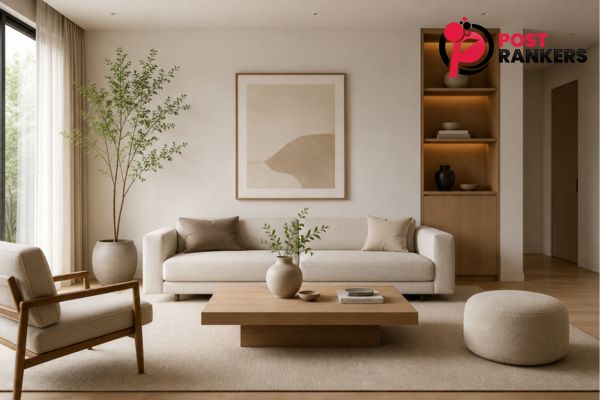
A minimalist living room is more than just a design trend. It represents a lifestyle centered on simplicity, functionality, and intentional living. In today’s fast-paced world, many homeowners are embracing minimalist interiors because they offer a sense of peace and order that cluttered spaces often lack. By focusing on essential elements and eliminating unnecessary distractions, a minimalist living room creates an environment that feels both welcoming and sophisticated.
What makes this design approach so appealing is its ability to combine beauty with practicality. A thoughtfully designed minimalist living room can make even a small space feel larger, brighter, and more comfortable. Whether you’re starting from scratch or refreshing your current home, understanding the principles of minimalism can help you create a living area that remains stylish for years to come.
What Is a Minimalist Living Room?
A minimalist living room is a space designed around the concept of “less is more.” Instead of filling the room with excessive furniture, decorations, and accessories, this style focuses on carefully selected pieces that serve a purpose. Every item contributes to the room’s functionality, aesthetics, or overall atmosphere.
Minimalist interiors prioritize clean lines, open layouts, and a sense of balance. While some people mistakenly associate minimalism with cold or empty spaces, a well-designed minimalist living room feels warm, comfortable, and inviting. The goal is not to remove personality but to highlight what truly matters.
By reducing visual clutter, homeowners can create an environment that encourages relaxation and improves focus. As a result, minimalist living rooms often feel more peaceful than traditionally decorated spaces.
Why Minimalist Living Rooms Are So Popular
The growing popularity of minimalist design reflects changing lifestyles and priorities. Many people now seek homes that support mental well-being and reduce everyday stress. A clutter-free living room naturally contributes to this goal by creating a calmer atmosphere.
Additionally, minimalist living rooms are easier to maintain. With fewer items to clean, organize, and manage, homeowners can spend less time on upkeep and more time enjoying their space. This practical advantage appeals to busy families, professionals, and anyone looking to simplify daily routines.
Moreover, minimalist design offers timeless appeal. Unlike trends that quickly become outdated, minimalist interiors rely on classic principles that remain relevant year after year.
Essential Elements of a Minimalist Living Room
A Neutral Color Palette
Color plays a significant role in minimalist design. Most minimalist living rooms feature neutral shades such as white, beige, gray, cream, and soft earth tones. These colors create a clean foundation while enhancing the sense of openness throughout the room.
Neutral palettes also reflect natural light effectively, making spaces feel brighter and more spacious. Furthermore, they provide flexibility when adding accent pieces or seasonal decorations. Instead of overwhelming the eye, neutral colors promote visual harmony and relaxation.
While bold colors are not entirely excluded, they should be used sparingly to maintain the minimalist aesthetic.
Functional Furniture
Furniture selection is one of the most important aspects of creating a minimalist living room. Every piece should serve a clear purpose while contributing to the overall design.
Minimalist furniture typically features simple shapes, clean lines, and understated elegance. Sofas, coffee tables, and shelving units often emphasize functionality over ornamentation. Rather than filling the room with numerous items, homeowners should invest in fewer high-quality pieces that offer both comfort and durability.
This approach not only improves visual balance but also enhances long-term value.
Open Space and Flow
A defining characteristic of minimalist interiors is the effective use of space. Instead of crowding the room with furniture, designers leave areas open to improve movement and visual clarity.
An open layout helps the living room feel larger and more inviting. It also allows natural light to travel freely throughout the space. Consequently, the room feels airy and comfortable even when its actual dimensions are modest.
Maintaining proper spacing between furniture pieces ensures that the room remains functional without appearing cluttered.
The Importance of Decluttering
Less Clutter, More Comfort
Decluttering is the foundation of every successful minimalist living room. Before introducing new furniture or décor, homeowners should evaluate existing items and remove anything unnecessary.
This process involves more than simply organizing belongings. It requires making intentional decisions about what deserves a place in the room. By keeping only meaningful or functional items, homeowners create a cleaner and more visually appealing environment.
As clutter disappears, the room begins to feel calmer and more organized. This transformation often has a positive impact on mental well-being and daily productivity.
Smart Storage Solutions
Storage remains essential in a minimalist home. However, the goal is to keep belongings hidden rather than displayed unnecessarily. Built-in cabinets, storage ottomans, and concealed shelving help maintain a clean appearance while maximizing functionality.
Effective storage solutions allow homeowners to enjoy the benefits of minimalism without sacrificing convenience. As a result, the living room remains tidy even during busy periods.
Using Natural Light to Enhance Minimalism
Natural light plays a crucial role in minimalist interior design. Bright spaces feel more open, inviting, and connected to the outdoors. Therefore, maximizing sunlight should be a priority when designing a minimalist living room.
Large windows, sheer curtains, and strategically placed mirrors can help distribute light throughout the room. Additionally, light-colored walls and furniture enhance brightness by reflecting natural illumination.
A well-lit minimalist living room appears larger and more vibrant while maintaining its clean aesthetic. This combination of simplicity and light creates a welcoming environment that encourages relaxation.
Adding Warmth Through Texture
One common misconception is that minimalist spaces feel sterile or impersonal. In reality, texture plays a vital role in creating warmth and comfort within a minimalist living room.
Soft rugs, linen curtains, woven baskets, wooden furniture, and textured cushions add visual interest without introducing clutter. These elements create layers that make the space feel inviting and lived-in.
Rather than relying on excessive decoration, minimalist interiors use texture to achieve depth and character. Consequently, the room feels balanced and comfortable while maintaining its simplicity.
Popular Minimalist Living Room Styles
Scandinavian Minimalism
Scandinavian design combines simplicity with warmth. This style features light wood finishes, soft textiles, neutral colors, and practical furniture. It creates a cozy atmosphere while preserving the clean aesthetic associated with minimalism.
Many homeowners appreciate Scandinavian interiors because they strike a perfect balance between functionality and comfort.
Modern Minimalism
Modern minimalist living rooms emphasize sleek lines, geometric shapes, and contemporary materials. Glass, metal, and polished surfaces often appear alongside neutral color palettes.
This approach creates a sophisticated and elegant appearance that works particularly well in urban homes and apartments.
Japandi Design
Japandi combines Japanese and Scandinavian influences. The result is a minimalist aesthetic that values craftsmanship, natural materials, and simplicity.
This style emphasizes quality over quantity while creating a peaceful environment that feels both refined and welcoming.
Common Mistakes to Avoid
Many homeowners unintentionally misunderstand minimalism by removing too much from a space. A minimalist living room should feel intentional, not empty. Eliminating all decorative elements can make the room appear cold and uninviting.
Another common mistake involves prioritizing aesthetics over comfort. While clean design is important, seating should remain comfortable and practical for daily use. Additionally, choosing furniture without considering scale can disrupt the room’s balance.
Maintaining simplicity requires thoughtful decisions rather than strict limitations. Successful minimalist design always considers both form and function.
Conclusion
A minimalist living room offers far more than visual appeal. It creates a peaceful environment where simplicity, functionality, and comfort work together harmoniously. By embracing thoughtful design choices, reducing clutter, and focusing on quality over quantity, homeowners can transform their living spaces into timeless retreats.
Whether you prefer Scandinavian warmth, modern sophistication, or Japandi elegance, minimalist principles provide a flexible foundation for beautiful interior design. Ultimately, a minimalist living room encourages intentional living and helps create a home that feels calm, organized, and truly enjoyable every day.
