

Introduction
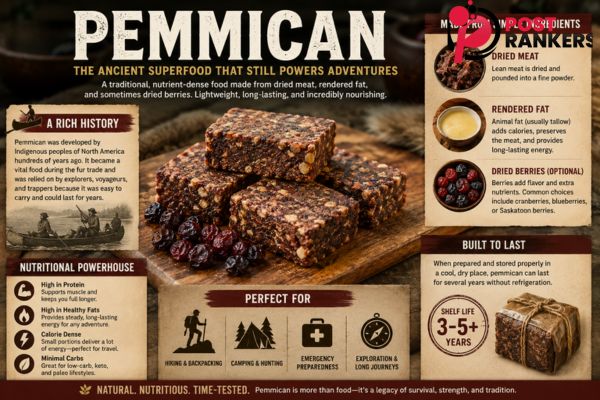
Pemmican is one of the oldest and most practical survival foods ever created. Long before refrigeration, freeze-dried meals, or energy bars existed, Indigenous peoples of North America developed this remarkably nutritious food to preserve meat and provide long-lasting energy during travel, hunting, and harsh winters. Its simple combination of dried lean meat, rendered animal fat, and sometimes dried berries made it lightweight, shelf-stable, and highly nourishing.
Today, pemmican continues to attract attention from hikers, campers, hunters, emergency preparedness enthusiasts, and people following high-protein or low-carbohydrate diets. Although modern food technology has introduced countless convenience products, pemmican remains respected for its natural ingredients, exceptional durability, and impressive nutritional value. Understanding its history, preparation, and benefits helps explain why this traditional food has endured for centuries.
The History of Pemmican
Indigenous Origins
Pemmican originated among Indigenous peoples throughout the northern plains of North America, including communities living in present-day Canada and the United States. These groups relied heavily on hunting large game such as bison, elk, deer, and moose. Since fresh meat spoiled quickly, they developed an effective preservation method that transformed harvested meat into a portable, long-lasting food source.
The process involved drying lean meat until nearly all moisture disappeared. Hunters then pounded the dried meat into a fine powder before mixing it with rendered animal fat, commonly known as tallow. In many regions, dried berries such as cranberries or Saskatoon berries were added to improve flavor and provide additional vitamins. This careful preparation produced a food that could remain edible for years when stored properly.
Role in Exploration and Trade
As European explorers and fur traders expanded across North America, they quickly recognized the value of pemmican. Voyageurs traveling thousands of miles by canoe needed lightweight foods that supplied concentrated nutrition without requiring refrigeration. Consequently, pemmican became one of the most valuable trade items during the fur trade era.
Large quantities of pemmican supported expeditions through remote wilderness areas where fresh food remained scarce. Its reliability allowed explorers to travel farther while carrying fewer supplies, making it an essential component of survival in challenging environments.
What Is Pemmican Made Of?
Traditional Ingredients
Traditional pemmican contains only a few carefully selected ingredients. Lean meat serves as the primary protein source, while rendered fat provides concentrated calories and helps preserve the finished product. Some recipes also include dried berries, which contribute natural sweetness, antioxidants, and a small amount of carbohydrates.
Unlike many processed foods available today, authentic pemmican contains no artificial preservatives, fillers, or unnecessary additives. This simplicity contributes to both its nutritional quality and its remarkable shelf life.
Common Types of Meat
Historically, bison remained the preferred meat because it was abundant across the Great Plains. However, other lean meats also work well for making pemmican. Modern recipes frequently use beef, venison, elk, moose, turkey, or even wild game harvested during hunting season.
Regardless of the meat selected, successful pemmican requires removing as much moisture as possible before combining it with rendered fat. Moisture encourages bacterial growth, so proper drying remains one of the most important steps in the preparation process.
How Pemmican Is Made
Drying the Meat
The first stage involves slicing lean meat into thin strips before drying it completely. Traditionally, people dried the meat in the sun or over low fires. Today, many home cooks use food dehydrators or low-temperature ovens to achieve similar results while maintaining food safety.
Once the meat becomes completely dry and brittle, it is crushed into a fine powder using grinders, food processors, or traditional pounding methods.
Mixing with Rendered Fat
After preparing the meat powder, rendered animal fat is slowly melted until it becomes liquid. The warm fat is then thoroughly mixed with the dried meat. If desired, crushed dried berries are folded into the mixture before it cools and solidifies.
Finally, the finished mixture is shaped into bars, cakes, or blocks that can be stored in airtight containers. Properly prepared pemmican remains firm at room temperature and requires no refrigeration under suitable storage conditions.
Nutritional Benefits of Pemmican
High in Protein and Healthy Fats
One of pemmican’s greatest strengths lies in its impressive nutritional profile. Because it combines concentrated protein with healthy animal fats, it delivers sustained energy rather than the rapid spikes associated with sugary snacks. This balance makes it especially valuable during physically demanding activities that require endurance over long periods.
Protein supports muscle repair and growth, while dietary fat provides long-lasting fuel for the body. Together, these nutrients create a satisfying food that helps reduce hunger during extended outdoor adventures.
Excellent Source of Energy
Pemmican contains a high number of calories in a relatively small serving. Therefore, hikers, backpackers, hunters, and survival experts appreciate its ability to provide significant energy without adding excessive weight to their packs.
This calorie density also explains why Arctic explorers and early frontiersmen relied on pemmican during expeditions through remote regions where food supplies remained limited for weeks or even months.
Modern Uses of Pemmican
Outdoor Recreation
Although pemmican originated centuries ago, it remains highly relevant today. Outdoor enthusiasts often pack it for hiking, backpacking, camping, hunting, and fishing trips because it requires no refrigeration and occupies very little storage space.
Additionally, its durability makes it an excellent choice for multi-day adventures where carrying lightweight, nutritious food becomes especially important.
Emergency Preparedness
Many individuals interested in emergency preparedness also include pemmican in their long-term food storage plans. Unlike many packaged convenience foods, properly prepared pemmican can remain edible for extended periods without relying on electricity or refrigeration.
As a result, it serves as a dependable emergency food option during natural disasters, power outages, or situations where traditional food supplies become unavailable.
Specialized Diets
Pemmican has also gained popularity among people following ketogenic, paleo, and carnivore diets. Since traditional recipes contain very few carbohydrates, they align well with nutritional plans that emphasize protein and healthy fats while limiting processed ingredients.
Nevertheless, individuals should consider their overall dietary needs before making pemmican a regular part of their eating habits.
How Long Does Pemmican Last?
One of the most remarkable qualities of pemmican is its exceptional shelf life. When prepared correctly using completely dried meat and properly rendered fat, it can remain safe for several years if stored in cool, dry conditions.
However, moisture remains its greatest enemy. Exposure to humidity or improper preparation may encourage spoilage and significantly reduce storage time. Therefore, airtight containers and careful food handling play important roles in maintaining quality over the long term.
Is Pemmican Healthy?
For many people, pemmican can be a nutritious addition to an active lifestyle. Its natural ingredients provide protein, fat, iron, zinc, and several essential nutrients while avoiding many artificial additives commonly found in processed snack foods.
However, pemmican is also highly calorie-dense because of its fat content. Consequently, portion control remains important, especially for individuals with lower daily energy requirements. Like any food, it delivers the greatest benefits when enjoyed as part of a balanced diet that includes a variety of nutrient-rich foods.
People with specific medical conditions or dietary restrictions should consult a healthcare professional before making significant changes to their eating habits.
Interesting Facts About Pemmican
Pemmican played a significant role in North American history beyond simply providing nutrition. During the early nineteenth century, disputes over the production and transportation of pemmican contributed to a conflict known as the Pemmican War, highlighting the food’s economic importance during the fur trade era.
Additionally, polar explorers relied heavily on pemmican during expeditions into some of Earth’s harshest environments. Its combination of portability, nutrition, and long shelf life made it one of the few foods capable of sustaining explorers through months of extreme conditions.
Even today, many survival instructors continue teaching traditional pemmican preparation because its effectiveness has been proven through generations of practical use.
Conclusion
Pemmican stands as one of history’s greatest examples of practical food preservation. Developed by Indigenous peoples through generations of knowledge and experience, this simple yet highly effective food helped sustain hunters, traders, explorers, and travelers across North America’s vast wilderness.
Today, pemmican continues to earn respect for its impressive nutritional value, exceptional shelf life, and versatility. Whether used for outdoor adventures, emergency preparedness, or specialized diets, it demonstrates that sometimes the most enduring foods are also the simplest. Its lasting legacy reminds us that traditional knowledge often provides solutions that remain valuable even in the modern world.
