

Introduction
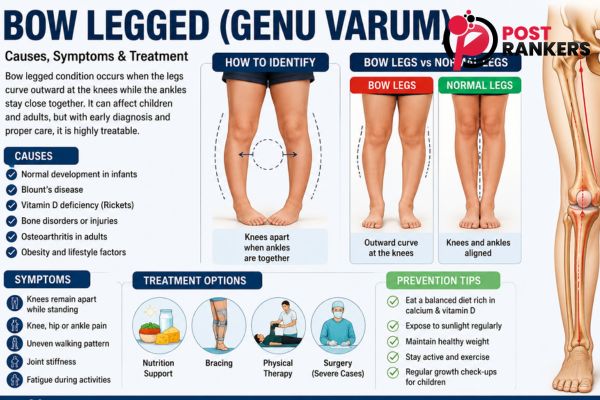
The condition known as bow legged, medically referred to as genu varum, describes a noticeable outward curvature of the legs. When someone stands with their feet together, the knees remain apart, creating a bow-like shape. While it often appears in infants and toddlers as a normal part of development, persistent or severe cases in older children and adults may signal an underlying medical concern that requires attention.
Understanding bow legged conditions is important because they can affect walking patterns, joint health, and overall mobility if left unmanaged. Fortunately, modern medicine offers effective ways to diagnose, treat, and even prevent complications associated with this condition. With early awareness and proper care, most individuals can achieve significant improvement in leg alignment and function.
Understanding Bow Legged Condition
What Does Bow Legged Mean?
Bow legged refers to a structural alignment issue where the tibia (shin bone) angles outward instead of aligning straight under the knee. This creates a gap between the knees when the ankles are together. Although it may look concerning, the severity varies widely from person to person.
In many infants, this condition appears naturally due to their position in the womb. However, as growth progresses, the legs typically straighten on their own. When this natural correction does not occur, or when bowing develops later in life, it may indicate an underlying bone growth or joint issue that requires medical evaluation.
Normal Development vs. Medical Concern
In early childhood, bowing of the legs is often part of normal skeletal development. However, as children grow, the legs should gradually align into a straight position. If the curvature remains after age two or becomes more pronounced over time, it may suggest conditions such as bone growth disorders or nutritional deficiencies.
In adults, bow legged alignment is usually not developmental but instead linked to degenerative joint changes or past injuries. Therefore, distinguishing between normal growth patterns and abnormal progression is essential for proper treatment.
Causes of Bow Legged Condition
Childhood-Related Causes
One of the most common reasons for bow legged appearance in children is natural development. However, other medical factors can contribute as well. For example, Blount’s disease affects the growth plate of the shin bone and causes progressive outward bowing. Unlike normal developmental bowing, this condition worsens if left untreated.
Another significant cause is rickets, a condition resulting from vitamin D deficiency. When the body lacks sufficient vitamin D, bones become soft and fail to grow properly, leading to deformities such as bowed legs. Additionally, genetic skeletal disorders may also contribute to abnormal bone alignment.
Adult-Onset Causes
In adults, bow legged alignment often develops due to wear and tear in the knee joint. Osteoarthritis is one of the leading causes, as uneven cartilage breakdown gradually shifts weight distribution and causes the legs to curve outward.
Moreover, previous fractures that heal incorrectly can also result in misalignment. In some cases, long-term obesity places extra pressure on the knee joints, increasing the risk of developing or worsening bow legged posture over time.
Lifestyle and Nutritional Factors
Although less common, lifestyle choices can also influence bone health. Poor nutrition, lack of sunlight exposure, and sedentary habits may weaken bones and contribute to structural imbalances. While these factors may not directly cause severe bow legged deformities, they can worsen existing conditions and slow recovery.
Symptoms of Bow Legged Condition
Visible Physical Signs
The most obvious sign of bow legged condition is the noticeable gap between the knees when standing with feet together. This outward curvature of the legs is often the first indication that something is different in bone alignment.
In mild cases, the bowing may be subtle and barely noticeable. However, in more severe cases, the curvature becomes more pronounced and may affect posture and balance during movement.
Pain and Mobility Issues
As the condition progresses, individuals may experience discomfort in the knees, hips, or ankles. This happens because uneven weight distribution places extra stress on certain joints. Over time, this imbalance can lead to chronic pain or stiffness.
Furthermore, walking patterns may change. Some individuals develop a waddling or uneven gait, which can increase fatigue during physical activity. Transitioning from sitting to standing may also feel less stable in advanced cases.
Diagnosis of Bow Legged Condition
Physical Examination
Doctors typically begin diagnosis with a physical examination. They observe how a person stands and walks, paying close attention to knee alignment and leg curvature. This initial assessment provides valuable insight into the severity of the condition.
Imaging and Tests
To confirm the diagnosis, X-rays are commonly used to evaluate bone structure and joint alignment. These images help identify whether the bowing originates from the tibia, femur, or knee joint itself. In some cases, blood tests may also be conducted if nutritional deficiencies or metabolic disorders are suspected.
Growth Monitoring in Children
For children, doctors often monitor growth over time before recommending treatment. Since mild bowing can resolve naturally, repeated evaluations help determine whether the condition is improving or worsening. This careful observation ensures that unnecessary interventions are avoided.
Treatment Options for Bow Legged Condition
Non-Surgical Treatments
In mild or early-stage cases, non-surgical methods are often effective. For children with vitamin D deficiency, supplements and improved nutrition can significantly improve bone strength. This helps correct alignment as the body continues to grow.
Bracing is another common option. Special orthopedic braces guide bone growth and help gradually straighten the legs. Additionally, physical therapy strengthens surrounding muscles, improving stability and reducing strain on the knees.
Surgical Interventions
When bow legged conditions become severe or do not respond to conservative treatment, surgery may be recommended. One common procedure is osteotomy, where the bone is carefully cut and realigned to restore proper positioning.
Another surgical option involves guided growth techniques in children, which gradually correct bone alignment over time. These procedures are generally safe and highly effective when performed under expert supervision.
Recovery and Rehabilitation
Recovery after treatment depends on the severity of the condition and the chosen method. Physical therapy plays a crucial role in restoring strength, balance, and mobility. Patients are often encouraged to engage in controlled exercises that improve joint flexibility and muscle coordination.
With consistent rehabilitation, most individuals experience significant improvement in posture and walking ability. Moreover, long-term outcomes are generally positive when treatment is started early.
Living with Bow Legged Condition
Daily Life Adjustments
People with mild bow legged alignment often live normal, active lives without major limitations. However, in moderate to severe cases, certain adjustments may help reduce discomfort. Wearing supportive footwear, maintaining a healthy weight, and avoiding excessive joint strain can make a noticeable difference.
Additionally, low-impact exercises such as swimming or cycling are often recommended because they reduce pressure on the knees while improving strength and flexibility.
Emotional and Social Impact
Beyond physical effects, bow legged conditions can sometimes impact self-confidence, especially in adolescents and young adults. Social awareness and early treatment can help reduce these concerns. Encouraging a positive mindset and focusing on mobility improvement often plays an important role in overall well-being.
Prevention and Bone Health Tips
Nutritional Support
A balanced diet rich in calcium and vitamin D supports strong bone development. These nutrients are essential for maintaining proper bone density and preventing deformities. Regular exposure to sunlight also helps the body produce vitamin D naturally.
Healthy Lifestyle Habits
Maintaining an active lifestyle strengthens muscles and supports joint health. Weight management is also important because excess body weight increases stress on the knees. Furthermore, early medical checkups for children help detect potential issues before they become severe.
Conclusion
Bow legged condition, or genu varum, is a common orthopedic issue that ranges from normal childhood development to more serious medical conditions in adults. While it can appear concerning, modern diagnostic tools and treatment options make it highly manageable.
With early detection, proper nutrition, physical therapy, or surgical correction when necessary, most individuals can achieve improved alignment and mobility. Understanding the condition and taking timely action ensures better long-term joint health and a more comfortable, active lifestyle.
