

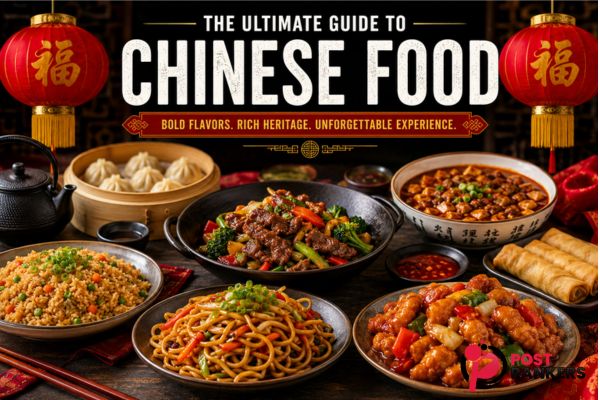
Chinese food is everywhere. You’ll find it in a buzzing street stall in Shanghai, a cozy family restaurant in San Francisco’s Chinatown, a trendy fusion spot in New York, and even a sizzling platter joint in Karachi. No other cuisine on earth has managed to travel this far, adapt this well, and still retain the soul of its origins. But what actually makes Chinese food so irresistible — and why does it continue to captivate billions of people across cultures and generations? Let’s dig into that question, one delicious layer at a time.
The Ancient Roots of a Living Cuisine
Chinese food isn’t just a collection of recipes. It’s a living, breathing cultural archive that stretches back thousands of years. China gave the world some of its earliest restaurants establishments that would be recognizable as dining houses emerged during the Song dynasty, as far back as the 11th and 12th centuries. That’s not a fun trivia fact. That’s a testament to how deeply the Chinese have always valued the act of eating together.
Food, in Chinese culture, carries real weight. It’s not just about filling a stomach. Sharing a meal brings harmony to relationships, strengthens family bonds, and serves as a form of creative expression. This philosophy is baked into the cuisine itself in the careful balance of flavors, the deliberate pairing of ingredients, and the respect for freshness that drives every shopping trip to the market.
A Philosophy Built Around Flavor, Color, and Aroma
Traditional Chinese cooks don’t just think about taste. They think about color, scent, texture, and even the meaning behind a dish. These aren’t decorative concerns they’re central to the craft. A dish that looks dull, smells flat, or feels mushy in the mouth is considered incomplete, regardless of how it tastes.
The Four Pillars: Balance Above All
At the heart of Chinese cooking lies a pursuit of balance. Sweet and sour, spicy and mild, crispy and tender these contrasts aren’t accidents. They’re intentional. Chinese cuisine is deeply intertwined with traditional Chinese medicine, where food is seen as capable of healing, nourishing, and restoring the body. Ingredients are chosen not just for flavor but for what they’re believed to do for your health. That mindset shapes everything from a simple bowl of rice porridge to a complex multi-course banquet.
A Country of Cuisines, Not Just One
One of the biggest misconceptions about Chinese food is that it’s a single thing. It isn’t. China is a vast country with dramatically different climates, geographies, and histories and its food reflects all of that complexity. Broadly speaking, four great culinary traditions define the landscape: Lu cuisine from the north, Yue cuisine from the south, Chuan cuisine from the west, and Huaiyang cuisine from the east. But within each of those traditions, there’s enormous variety.
Northern Chinese Food: Hearty, Wheat-Forward, and Deeply Satisfying
In northern China, wheat dominates the table. Dumplings, hand-pulled noodles, steamed buns, and flatbreads take center stage. The region’s cold winters shaped a cuisine that’s filling, warming, and built for endurance. Beijing cuisine, in particular, carries the prestige of imperial tradition dishes developed to serve royalty over centuries of dynastic history.
Dumplings deserve special mention here. Known as jiǎozi, these little packets of minced meat and vegetables wrapped in thin dough are eaten year-round, but they carry special significance during Chinese New Year. Their shape resembles ancient Chinese silver ingots, and tradition holds that eating more dumplings during the New Year brings more prosperity in the year ahead. They’re boiled, steamed, or pan-fried — each method delivering a slightly different experience.
Sichuan Cuisine: Where Heat Meets Complexity
If you’ve ever bitten into something that made your lips go numb and your eyes water but you couldn’t stop eating it — you’ve met Sichuan cuisine. This western Chinese culinary tradition is famous for its bold, unapologetic use of chili peppers and Sichuan peppercorns, which together create the signature ma la flavor profile. Ma means numbing; la means spicy. Together, they produce a sensation that’s genuinely unlike anything else in the food world.
Ma Po Tofu: A Classic Worth Knowing
One of Sichuan’s most iconic dishes is Ma Po Tofu silky cubes of tofu simmered in a fiery, numbing sauce packed with ground pork and fermented black beans. The dish has over a century of history and a name tied to a local legend. Today, it’s served in Chinese restaurants worldwide, though the authentic Sichuan version hits differently than most adaptations. That gap between authentic and adapted is an important part of Chinese food’s global story.
Cantonese Cuisine: The Art of Subtlety
Cantonese cooking, from China’s southern Guangdong province, operates on a completely different philosophy. Where Sichuan wants to overwhelm your senses, Cantonese cuisine wants to preserve the natural flavor of its ingredients. The techniques are often gentle steaming, blanching, quick stir-frying over high heat and the seasonings are restrained. Freshness is everything.
This is also where dim sum comes from. Those small, endlessly varied plates of dumplings, buns, rolls, and pastries served with tea that’s Cantonese tradition at its finest. Dim sum is less a meal and more a ritual, a slow Sunday morning practice of gathering, ordering small plates, pouring tea, and catching up with people you love.
Chinese Food Goes Global — And Transforms Along the Way
Here’s something fascinating: Chinese food has traveled the world and adapted so skillfully to local tastes that it sometimes bears little resemblance to its origins yet it remains unmistakably Chinese in spirit. American Chinese cuisine, British Chinese cuisine, and Pakistani Chinese cuisine are all distinct culinary traditions in their own right, each shaped by the communities that created them.
In Pakistan, for example, Chinese food arrived through migration and trade and quickly blended with local palates. Pakistani Chinese dishes lean Cantonese in structure but incorporate local ingredients and techniques soy sauce, chili sauce, vinegar, and oyster sauce season most dishes, while vegetables like cabbage, capsicum, and onion replace less common Chinese greens. Sizzling platters are a signature flourish unique to the subcontinent’s take on the cuisine. Even local favorites like Chinese samosa and Chinese broast have emerged from this delicious cultural collision.
Why Chinese Food Adapts So Brilliantly
The secret to Chinese food’s global success isn’t a single killer dish or a trendy technique. It’s flexibility. The core cooking methods stir-frying, steaming, braising, deep-frying are universal enough to work with nearly any ingredient in any part of the world. The flavor framework (savory, slightly sweet, umami-rich, with varying levels of heat) appeals across a wide range of cultural palates. And the communal style of eating, where dishes are shared rather than individually plated, fits naturally into many cultures’ dining traditions.
The Staples That Built an Empire of Flavor
You can’t talk about Chinese food without talking about its foundational ingredients. Rice and noodles form the base of almost every meal, depending on the region. Soy sauce adds depth and saltiness. Tofu provides protein in a versatile, texture-shifting form. Ginger and garlic are almost always present. Sesame oil adds a nutty, aromatic finish. Chili oil brings heat and complexity. These aren’t exotic ingredients anymore they’re pantry staples in homes around the world, which says everything about how deeply Chinese cooking has embedded itself into global food culture.
Chinese Food Is Still Evolving
The cuisine isn’t frozen in time. Contemporary Chinese chefs are pushing boundaries, blending regional traditions, and reinterpreting classics with modern techniques. In major cities across China and the diaspora, a new wave of Chinese restaurants is earning serious critical recognition, challenging old stereotypes about what Chinese food can be and who it’s for.
At the same time, home cooks everywhere are discovering that making Chinese food from scratch really good Chinese food is deeply rewarding. Learning to properly velvet chicken, season a wok, or fold a dumpling connects you to a culinary tradition that spans millennia.
Why Chinese Food Deserves Your Full Attention
Chinese food is not a monolith, not a takeout category, and certainly not just fried rice and fortune cookies. It’s one of humanity’s greatest culinary achievements diverse, sophisticated, deeply philosophical, and endlessly adaptable. Whether you’re slurping hand-pulled noodles, sharing a bubbling hot pot with friends, or savoring a delicate Cantonese steamed fish, you’re participating in a tradition that has nourished billions of people across thousands of years. That’s worth appreciating, one bite at a time.
