

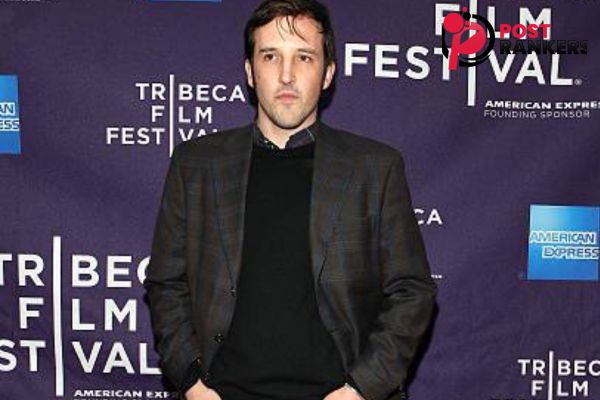
Chris Dapkins has built a respected career as a cinematographer by creating visually compelling stories across independent films and documentaries. While many movie enthusiasts recognize actors and directors first, talented cinematographers like Dapkins shape the emotional impact of every frame. His thoughtful approach to lighting, composition, and camera movement has earned him recognition within the filmmaking community and contributed to several acclaimed productions.
Table of Contents
ToggleWho Is Chris Dapkins?
Chris Dapkins is an American cinematographer, director, and camera professional known for his work in independent cinema and documentary filmmaking. Although he keeps a relatively private public profile, his impressive filmography reflects years of dedication to visual storytelling. Instead of pursuing celebrity status, Dapkins has focused on refining his craft and collaborating with filmmakers who value authentic, emotionally driven narratives.
Throughout his career, Chris Dapkins has worked on feature films, documentaries, and artistic projects that have appeared at prestigious film festivals. His ability to adapt his visual style to different genres has made him a trusted creative partner for directors seeking cinematic realism. As a result, his work continues to receive appreciation from critics, filmmakers, and audiences alike.
Early Career and Creative Development
Unlike many high-profile filmmakers, Chris Dapkins has shared very little about his childhood, education, or early personal life. Publicly available information focuses primarily on his professional achievements rather than his background. This limited public presence has encouraged audiences to judge his work based on artistic merit instead of personal publicity.
Before becoming widely recognized as a cinematographer, Dapkins developed experience through documentary production and international filmmaking assignments. These opportunities exposed him to diverse cultures, real-world stories, and challenging filming environments. Consequently, his documentary experience strengthened his ability to capture authentic moments with sensitivity and precision.
International Documentary Experience
One defining stage of Chris Dapkins’ career involved filming documentary projects connected with humanitarian organizations. His assignments reportedly took him to countries across Africa, Europe, Asia, and the Caribbean. Working in varied locations helped him develop technical flexibility while deepening his understanding of visual storytelling rooted in real human experiences.
Rather than relying on elaborate studio productions, documentary filmmaking required Dapkins to work with natural light, unpredictable conditions, and genuine emotions. These experiences later influenced his narrative filmmaking style, allowing him to create realistic visuals that feel intimate without becoming distracting.
Chris Dapkins’ Career in Independent Cinema
Independent filmmaking demands creativity, resourcefulness, and collaboration. Chris Dapkins has consistently demonstrated these qualities by contributing to films that prioritize storytelling over spectacle. His cinematography supports the narrative instead of overpowering it, making audiences feel connected to characters and their emotional journeys.
His work spans multiple genres, including drama, documentary, music-focused films, and character-driven stories. Rather than developing a single recognizable visual signature, Dapkins adapts his techniques to complement each director’s creative vision. That versatility has become one of his greatest professional strengths.
Notable Film Projects
Several productions have helped establish Chris Dapkins as a respected cinematographer within independent filmmaking circles. These projects showcase both his technical expertise and his ability to create visually engaging stories.
Some of his recognized works include:
- The Swell Season (2011)
- Memphis (2013)
- Citizen Jane: Battle for the City (2016)
- A Woman, a Part (2016)
- Scotty and the Secret History of Hollywood (2017)
- Itzhak (2017)
- Recorder: The Marion Stokes Project (2019)
- Tell Them You Love Me (2023)
Each project presented unique creative challenges, allowing Dapkins to demonstrate remarkable versatility across documentary and narrative filmmaking.
A Cinematography Style Built on Authenticity
Chris Dapkins approaches cinematography with an emphasis on realism, emotional depth, and visual balance. Instead of relying heavily on dramatic visual effects, he often creates imagery that feels natural while still maintaining cinematic quality. This restrained approach allows viewers to remain immersed in the story rather than becoming distracted by technical showmanship.
Lighting plays a particularly important role in his visual language. Whether capturing documentary interviews or fictional characters, Dapkins frequently uses available light alongside carefully controlled enhancements. As a result, his images maintain authenticity while delivering polished, professional cinematography suitable for theatrical productions.
Storytelling Through the Camera
Strong cinematography extends beyond beautiful images. Every camera movement, framing decision, and lighting choice supports character development and narrative progression. Chris Dapkins consistently demonstrates this philosophy by allowing visual storytelling to enhance emotional moments without overwhelming the screenplay.
For example, slower camera movements often create intimacy during reflective scenes, while dynamic compositions introduce energy during moments of tension. These subtle techniques strengthen audience engagement and contribute to memorable viewing experiences across his projects.
Collaboration with Directors and Creative Teams
Filmmaking remains one of the most collaborative artistic professions. Chris Dapkins has earned respect because he works closely with directors, producers, production designers, and camera crews to achieve a unified creative vision. Successful cinematography depends on communication as much as technical knowledge, and his career reflects that understanding.
Independent productions frequently operate with limited budgets and compressed schedules. Nevertheless, Dapkins has repeatedly demonstrated the ability to maintain high visual standards under practical constraints. His adaptability allows productions to achieve professional cinematic quality without sacrificing storytelling priorities.
Film Festival Recognition
Several films featuring Chris Dapkins’ cinematography have appeared at internationally respected film festivals, including Sundance and Tribeca. Festival recognition often introduces independent films to wider audiences while highlighting the craftsmanship behind their production. Although awards primarily celebrate complete films, cinematographers play an essential role in creating festival-worthy visual experiences.
These appearances also demonstrate that Dapkins consistently contributes to projects recognized for artistic quality rather than commercial spectacle alone. His filmography reflects careful project selection and long-term commitment to meaningful storytelling.
Personal Life and Public Profile
Unlike many entertainment professionals, Chris Dapkins maintains a relatively private personal life. Publicly available information focuses largely on his filmmaking career rather than his family, hobbies, or daily activities. This limited exposure reflects a preference for allowing his professional work to represent his public identity.
Available industry records indicate that Dapkins shares a daughter, Rosemary Dapkins, with actress Gaby Hoffmann. Beyond that information, reliable public sources provide few verified details regarding his personal relationships, education, birth date, or financial background. Respecting these privacy boundaries remains important when discussing public figures with limited personal disclosures.
Influence on Modern Documentary Filmmaking
Documentary filmmaking has evolved significantly through advances in lightweight digital cameras and naturalistic visual techniques. Chris Dapkins belongs to a generation of cinematographers who embraced these developments while preserving the emotional authenticity that defines outstanding documentaries.
His work illustrates how technical precision and human observation can exist together. Rather than dominating real-life events with excessive camera work, Dapkins often allows subjects to remain the center of attention. Consequently, viewers experience stories that feel honest, immersive, and emotionally credible.
Lessons Aspiring Cinematographers Can Learn
Emerging filmmakers can learn several valuable lessons from Chris Dapkins’ professional journey. Technical skills certainly matter, but curiosity, patience, adaptability, and collaboration remain equally important. His career demonstrates that long-term success often comes from consistently producing thoughtful work instead of pursuing constant public recognition.
Aspiring cinematographers should also recognize the value of documentary experience. Working in unpredictable environments develops problem-solving abilities, strengthens visual instincts, and improves storytelling confidence. These qualities continue benefiting cinematographers throughout narrative film production as well.
Why Chris Dapkins Continues to Earn Industry Respect
Chris Dapkins has built a career through craftsmanship rather than publicity. His cinematography consistently supports storytelling, enhances emotional depth, and respects the creative vision of each project. While his name may not receive widespread mainstream recognition, filmmakers and industry professionals appreciate the quality, consistency, and professionalism reflected throughout his body of work.
As independent cinema continues expanding across streaming platforms and international festivals, experienced cinematographers like Dapkins remain essential contributors. Their visual storytelling transforms scripts into compelling cinematic experiences that resonate with audiences around the world.
Conclusion
Chris Dapkins represents the kind of filmmaking professional whose influence extends far beyond public recognition. His career demonstrates how skilled cinematography can elevate documentaries and independent films through authentic visuals, thoughtful composition, and emotionally engaging storytelling. Although much of his personal life remains private, his professional accomplishments speak clearly through an impressive collection of respected film projects. For anyone interested in cinematography, documentary filmmaking, or independent cinema, Chris Dapkins offers an excellent example of artistic dedication, technical excellence, and lasting creative impact.
