

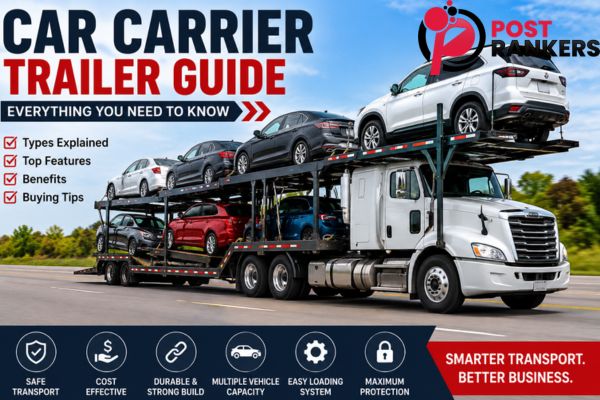
Transporting vehicles safely and efficiently requires the right equipment, and that is where a car carrier trailer becomes essential. Whether you run an auto transport business, manage a dealership, or simply need to move vehicles across states, choosing the right trailer can make a huge difference. A well-built car carrier trailer improves safety, reduces transportation costs, and helps protect vehicles during transit.
Over the years, car hauling technology has evolved significantly. Modern trailers now offer advanced loading systems, better weight distribution, and stronger materials that increase durability. As demand for vehicle transportation continues to grow, more businesses and individuals are investing in reliable car carrier trailers for personal and commercial use.
What Is a Car Carrier Trailer?
A car carrier trailer is a specialized trailer designed to transport one or multiple vehicles from one location to another. These trailers are commonly attached to trucks and used for local, interstate, or long-distance vehicle transportation. Depending on the design, a trailer may carry one vehicle or several at the same time.
Most car carrier trailers include loading ramps, secure tie-down systems, and reinforced platforms that keep vehicles stable during travel. Some models remain open to the environment, while others offer fully enclosed protection for luxury or classic vehicles.
The primary goal of a car carrier trailer is simple: move vehicles safely while minimizing damage risks and transportation challenges.
Different Types of Car Carrier Trailers
Understanding the different trailer types helps buyers select the best option for their transportation needs. Every design serves a unique purpose and offers specific advantages.
Open Car Carrier Trailer
An open car carrier trailer is the most common and affordable option in the market. These trailers expose vehicles to weather and road conditions, but they remain highly popular because they are cost-effective and efficient.
Auto dealerships and large transport companies frequently use open carriers to move multiple vehicles at once. Since they weigh less than enclosed trailers, they also improve fuel efficiency during long trips.
Enclosed Car Carrier Trailer
An enclosed car carrier trailer provides maximum protection during transportation. The trailer completely surrounds the vehicle, shielding it from rain, dust, debris, and harsh sunlight.
Luxury car owners, collectors, and motorsport companies often prefer enclosed trailers because they reduce exposure to external damage. Although enclosed trailers cost more, they offer peace of mind for transporting valuable vehicles.
Single-Car Trailer
A single-car trailer is designed to transport one vehicle at a time. These trailers are ideal for personal use, towing projects, or transporting expensive sports cars.
Because of their compact size, single-car trailers are easier to maneuver and park. They also work well for small businesses that occasionally transport vehicles.
Multi-Car Carrier Trailer
Multi-car carrier trailers are built for commercial-scale transportation. These trailers often feature multiple levels and hydraulic systems that maximize vehicle capacity.
Large transport companies rely on these trailers to move cars efficiently between dealerships, auctions, and shipping ports. Although they require experienced drivers, they significantly reduce transportation costs per vehicle.
Important Features to Look for in a Car Carrier Trailer
Buying the right car carrier trailer involves more than choosing the cheapest model available. Several features directly impact performance, safety, and long-term value.
Trailer Capacity
Every trailer has a specific weight and vehicle capacity. Buyers should carefully calculate the combined weight of transported vehicles before purchasing a trailer.
Overloading a trailer can damage equipment, increase accident risks, and shorten the lifespan of towing vehicles. Choosing the correct capacity ensures smoother transportation and better stability on the road.
Frame Construction
A durable frame forms the backbone of every reliable trailer. Steel frames provide excellent strength and durability, while aluminum frames reduce overall weight and improve fuel efficiency.
Many professional transporters prefer galvanized steel because it resists rust and corrosion in harsh weather conditions.
Loading System
Loading vehicles safely is one of the most important aspects of transportation. Some trailers include hydraulic ramps that simplify loading and unloading, while others use manual ramps.
Hydraulic systems save time and reduce physical effort, especially when transporting low-clearance sports cars or luxury vehicles.
Tie-Down and Safety Systems
Strong tie-down points and secure straps prevent vehicles from shifting during transportation. Modern trailers often include advanced wheel straps, anti-slip surfaces, and reinforced anchor points.
Reliable safety systems help protect both the transported vehicles and other drivers on the road.
Benefits of Using a Car Carrier Trailer
A car carrier trailer offers several practical benefits for businesses and individual vehicle owners. These advantages explain why the demand for auto transport trailers continues to rise.
Improved Vehicle Protection
One major advantage is better protection during transportation. Properly secured vehicles remain stable even during long-distance travel, reducing the chances of scratches, dents, or tire damage.
Enclosed trailers provide an additional layer of security against weather and road debris.
Cost Efficiency
Transporting multiple vehicles in one trip saves fuel, labor, and operational costs. Commercial transport companies especially benefit from multi-car trailers because they maximize efficiency and profitability.
Instead of driving several vehicles individually, one trailer can complete the task faster and more economically.
Convenience and Flexibility
Car carrier trailers simplify vehicle transportation for dealerships, auctions, racing teams, and relocation companies. Businesses can move inventory quickly without depending on third-party transportation providers.
Additionally, trailers offer flexibility for transporting different vehicle types, including sedans, SUVs, trucks, and motorcycles.
How to Choose the Best Car Carrier Trailer
Selecting the best trailer depends on transportation goals, budget, and towing requirements. Buyers should carefully evaluate their needs before making a final decision.
Determine Your Usage
First, consider how often the trailer will be used. Occasional users may only need a small single-car trailer, while commercial businesses usually require larger multi-car systems.
Frequent usage demands stronger construction and premium safety features.
Match the Trailer With Your Tow Vehicle
Not every truck can tow every trailer safely. Buyers must verify towing capacity, hitch compatibility, and braking systems before purchasing a trailer.
Ignoring towing limitations can create dangerous driving conditions and expensive mechanical problems.
Consider Long-Term Maintenance
Maintenance costs often influence the total ownership experience. High-quality trailers generally require fewer repairs and offer better durability over time.
Regular inspections, tire maintenance, and lubrication also extend the trailer’s lifespan and improve road safety.
Common Industries That Use Car Carrier Trailers
Car carrier trailers support many industries beyond traditional auto transport companies. Their versatility makes them valuable across several sectors.
Auto Dealerships
Dealerships regularly transport new and used vehicles between showrooms, warehouses, and auctions. Reliable trailers help maintain inventory flow and improve delivery times.
Racing and Motorsports
Racing teams frequently use enclosed trailers to protect expensive race cars and equipment while traveling between events.
Vehicle Recovery Services
Tow companies and recovery businesses use specialized trailers to transport damaged or disabled vehicles safely.
Relocation Companies
Many relocation businesses offer vehicle transportation services for customers moving long distances. A dependable trailer helps streamline the process while reducing wear on customer vehicles.
Final Thoughts
A car carrier trailer is more than just a transportation tool. It plays a critical role in vehicle safety, logistics, and business efficiency. Whether you need a simple single-car hauler or a heavy-duty commercial transporter, choosing the right trailer can save time, reduce costs, and protect valuable vehicles during transit.
As transportation demands continue to grow, investing in a high-quality car carrier trailer becomes increasingly important. Buyers who focus on durability, safety features, and proper capacity will enjoy better long-term performance and reliability.
Before making a purchase, carefully evaluate your towing needs, transportation frequency, and vehicle types. A well-chosen trailer not only improves operational efficiency but also delivers peace of mind every time you hit the road.
