

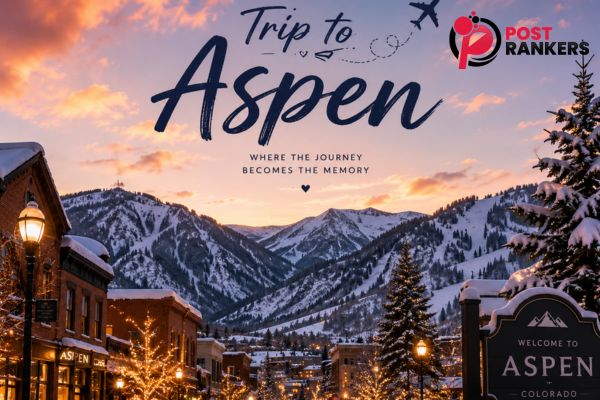
If you’ve ever dreamed of a place where crisp mountain air hits your lungs the moment you step outside, where the snow is impossibly white and the food is shockingly good, then a trip to Aspen has probably crossed your mind more than once. And honestly? It should. Aspen, Colorado isn’t just a destination — it’s an experience that lingers long after you’ve unpacked your bags and returned to ordinary life.
But here’s the thing: most people either think Aspen is only for the ultra-wealthy, or they assume it’s just a ski resort dressed up in fancy packaging. Both of those ideas are wrong. Aspen rewards the curious traveler who does a little homework and shows up ready to actually explore.
Why Aspen Stands Apart From Every Other Mountain Town
A Town With Real History Beneath the Glitter
Before the celebrity sightings and Michelin-worthy restaurants, Aspen was a silver mining boomtown. Founded in the 1880s, it boomed hard and then nearly went bust — until a group of visionaries reimagined it as a world-class ski destination in the late 1940s. That reinvention never stopped. Today, the town sits at 7,908 feet in Colorado’s Elk Mountains and carries the rare quality of feeling both historic and electric at the same time.
Walk down Main Street and you’ll notice architecture that actually tells a story. The Wheeler Opera House, built in 1889, still hosts live performances. Hotel Jerome, one of the most storied properties in the American West, has been welcoming guests since the same era. These aren’t just pretty backdrops for Instagram — they’re living proof that Aspen has always had something worth coming back to.
Culture Runs Deeper Than You’d Expect
A lot of people are genuinely surprised by this part. Aspen has one of the most vibrant cultural calendars of any small town in America. The Aspen Music Festival, held every summer, draws world-class musicians and tens of thousands of attendees from across the globe. The Aspen Ideas Festival pulls in thinkers, scientists, and leaders who gather to talk about the big stuff — the kind of conversations you don’t usually hear at a ski resort.
Then there’s the Aspen Art Museum, housed in a stunning Shigeru Ban-designed building. Admission is free, the exhibits rotate frequently, and the rooftop view alone is worth the stop. If you’re planning a trip to Aspen in the summer months, layering in some cultural experiences transforms a good vacation into a truly memorable one.
Planning Your Trip to Aspen: The Practical Stuff
Choosing the Right Season
This decision shapes everything, so think carefully. Winter — specifically January through March — delivers the deepest powder, the most reliable conditions across all four ski mountains, and that electric energy that makes Aspen famous. If skiing or snowboarding is your primary reason for visiting, this is your window.
Summer, particularly mid-July through mid-August, offers something completely different and, frankly, underrated. Independence Pass opens up for breathtaking drives, wildflowers carpet the hillsides, and hiking trails that double as ski runs in winter become some of the best single-track paths in the Rockies. Families especially tend to love this season — the pace is easier, the prices dip slightly, and the town feels like it’s letting its hair down.
Early fall deserves a special mention. September brings golden aspen trees (yes, they’re actually called aspen trees, and yes, the irony is beautiful), thinner crowds, and a quieter version of the town that long-time visitors tend to guard like a secret.
Getting There Without the Stress
Flying directly into Aspen/Pitkin County Airport is the most convenient option, though flights can be pricier and weather-sensitive given the mountain location. Many travelers fly into Denver International Airport instead and make the roughly four-hour drive west on I-70 and Highway 82 — a route that becomes one of the most scenic road trips you’ll ever take, especially when Glenwood Canyon comes into view.
Once you’re in town, honestly, you probably won’t need a car. Aspen’s free shuttle system connects all the major ski mountains, downtown, and most hotels, running every 10 to 15 minutes during peak times. The town is walkable in a way that few mountain destinations actually manage to pull off — restaurants, shops, galleries, and trailheads all sit within a comfortable stroll of each other.
The Mountains: Four Reasons Skiers Never Want to Leave
Aspen Mountain (Ajax)
Right above downtown, Aspen Mountain is the crown jewel. It has no beginner terrain — and that’s intentional. This mountain is built for skiers who want challenge, variety, and the kind of runs where you pause at the top just to take it all in before pointing your skis downhill. The gondola ride up is spectacular even if you never put on ski boots.
Aspen Highlands, Buttermilk, and Snowmass
Aspen Highlands is legendary among serious skiers for its Highland Bowl — a hike-to terrain area that rewards effort with some of the best in-bounds powder in North America. Buttermilk, on the other hand, is welcoming and wide-open, perfect for beginners and families still building confidence on snow. Snowmass is the largest of the four and essentially a destination within a destination, with its own village, restaurants, and enough terrain to keep you busy for days without repeating a single run.
Summer Hiking You Won’t Soon Forget
Maroon Bells: The Most Photographed Peaks in Colorado
No trip to Aspen is truly complete without a visit to Maroon Bells. Two fourteeners (peaks exceeding 14,000 feet) reflected in Maroon Lake create a scene that looks almost too perfect to be real. Access is managed carefully to protect the area, so during summer months you’ll need to take a shuttle from Aspen Highlands — a minor inconvenience for a view that stays with you for years.
Hanging Lake and Glenwood Canyon
About 45 miles west of Aspen, just outside Glenwood Springs, Hanging Lake Trail is a short but steep 1.2-mile climb that ends at one of the most unique natural features in Colorado — a turquoise lake suspended on a travertine shelf, fed by a waterfall tumbling directly into it. Permits are required and they sell out fast, so book well in advance. The detour is absolutely worth it.
Where to Eat and Where to Stay
Food That Goes Way Beyond Slope-Side Nachos
Trip to Aspen restaurant scene punches far above its weight for a town of roughly 7,000 residents. From elevated comfort food to creative tasting menus, the dining options here reflect the same ambition you find in the skiing. Locals tend to favor spots tucked off the main tourist corridors — smaller places where the menu changes with the season and the staff actually knows what they’re talking about.
Accommodation for Every Kind of Traveler
The Iconic Options
Hotel Jerome and the Little Nell are the two names that come up in every conversation about Aspen lodging — and for good reason. Both blend luxury with genuine mountain soul in a way that feels earned rather than manufactured. The Limelight Hotel is a favorite for families, offering spacious rooms, a lively common area, and a price point that’s slightly more forgiving than its neighbors.
Budget-Friendly Alternatives
Here’s what the glossy travel magazines often skip: Trip to Aspen has more affordable lodging than its reputation suggests, especially if you book early and consider staying in nearby Snowmass Village or Basalt and commuting in. Renting a condo or vacation home can also dramatically reduce costs for groups, and the shuttle system makes it easy to stay a few miles out without missing anything.
Final Thoughts: What Aspen Actually Gives You
A trip to Aspen gives you something increasingly rare — a place that takes both nature and quality seriously. It doesn’t apologize for being beautiful, and it doesn’t coast on its reputation alone. Whether you come for the powder, the peaks, the music, or simply the feeling of standing at elevation with nowhere to be, Aspen delivers in ways that are genuinely hard to replicate anywhere else.
Go once, and you’ll understand immediately why people keep going back.
