

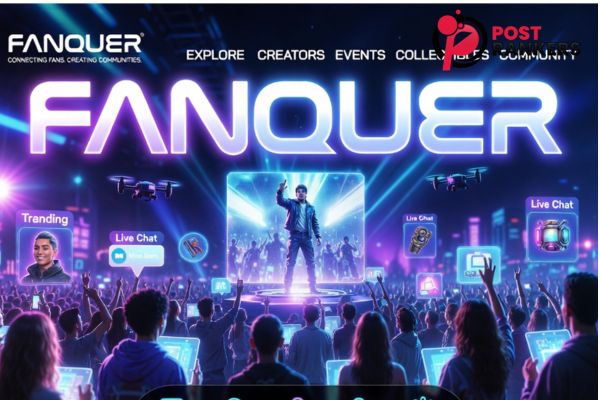
If you’ve spent any time scrolling through online communities lately, you may have noticed a new word popping up in conversations about fan culture and digital engagement: Fanquer. It sounds unusual at first, almost like a brand name or a tech startup. But once you dig into what people mean when they use it, a much bigger picture starts to emerge.
What Does Fanquer Actually Mean?
At its core, Fanquer describes a shift in how people interact with the things they love online. Instead of just scrolling, liking, or watching quietly from the sidelines, fans are stepping into a more active role. They’re sharing ideas, voting on decisions, and even helping shape the content they consume. That’s the essence of Fanquer.
This term doesn’t come from a textbook or a corporate marketing department. Instead, it emerged organically from online communities experimenting with new language to describe a feeling that’s been building for years. People wanted a word that captured the energy of being more than a spectator, and Fanquer fit the bill perfectly.
A Blend of Fandom and Engagement
Think of Fanquer as a combination of two ideas: fandom and active participation. Traditional fandom often meant following a creator, team, or brand from a distance. You’d watch the show, buy the merchandise, or cheer from the stands. Fanquer takes that same passion but adds a layer of involvement that simply wasn’t possible before social platforms existed.
Now, fans can comment directly on a creator’s process, suggest storylines, or even influence which products get made. Because of this, the relationship between fans and the things they support has become a two-way conversation rather than a one-sided broadcast. That shift is exactly what Fanquer tries to capture.
Why Fanquer Is Gaining Attention in 2026
Digital culture moves fast, and new terms come and go constantly. So why has Fanquer managed to stick around and grow in popularity? Part of the answer lies in timing. As more brands and creators search for ways to build loyal communities, they need language that describes engagement beyond simple metrics like likes or views.
Fanquer offers exactly that. It gives marketers, community managers, and creators a way to talk about deeper involvement without sounding overly corporate. Additionally, because the term is still relatively new, it carries a sense of freshness that older buzzwords have lost. People are naturally drawn to language that feels current and relevant.
From Passive Viewers to Active Participants
One of the clearest signs of Fanquer in action is the rise of community-driven decision-making. Brands now ask their audiences to vote on new product colors, vote for upcoming episode themes, or submit ideas for future campaigns. This isn’t just a marketing gimmick; it genuinely changes how people feel about the brands they support.
When someone feels like their opinion shaped a final product, their connection to that brand deepens. They’re no longer just a customer or viewer. They become a stakeholder, in a sense, even if their only investment is time and attention. This emotional shift is at the heart of what Fanquer represents.
How Fanquer Applies Across Different Industries
While Fanquer started as a concept tied to online fan communities, its influence has spread far beyond entertainment. Gaming communities use Fanquer-style engagement to test new features before launch. Music artists invite fans to vote on setlists or album artwork. Even small businesses have started using these principles to make customers feel like insiders.
This cross-industry appeal is part of why Fanquer continues to gain traction. It’s not locked into one niche or platform. Instead, it works as a flexible framework that can be adapted depending on the audience, the goals, and the tools available to a particular brand or creator.
Fanquer in Gaming Communities
Gaming has always had passionate, vocal fan bases, so it makes sense that Fanquer would thrive here. Developers increasingly rely on player feedback during beta testing, community polls for character designs, and open forums where players suggest balance changes. This level of involvement makes players feel like co-creators rather than just consumers.
As a result, games built with Fanquer principles often see stronger community loyalty. Players who feel heard are more likely to stick around, recommend the game to friends, and defend it during criticism. That kind of organic advocacy is incredibly valuable, and it’s something money alone can’t buy.
Fanquer in Music and Entertainment
Musicians and entertainers have also embraced Fanquer-style engagement. Some artists release multiple versions of a song and let fans vote on which one becomes the official single. Others use behind-the-scenes content to involve fans in the creative process, making them feel like part of the journey rather than just the audience.
This approach builds anticipation in a way that traditional marketing struggles to match. When fans feel invested in the outcome, they’re far more likely to share the content, discuss it with others, and return for future releases. Fanquer turns casual listeners into dedicated supporters who actively spread the word.
How Brands and Creators Can Use Fanquer Effectively
If you’re a creator or business owner wondering how to apply Fanquer to your own strategy, the good news is that you don’t need a massive budget or complicated technology. Start small by inviting feedback on simple decisions. Ask your audience what kind of content they want to see next, or let them choose between two options for an upcoming project.
Over time, build on these small interactions. Create spaces where your community can discuss ideas, share feedback, and feel genuinely heard. Consistency matters here. Fanquer isn’t a one-time campaign; it’s an ongoing relationship that grows stronger the more both sides participate.
Common Mistakes to Avoid
While Fanquer offers exciting opportunities, it’s easy to get it wrong. One common mistake is asking for feedback but never acting on it. If fans take the time to vote or comment and nothing changes, trust erodes quickly. Authenticity is everything when it comes to this kind of engagement.
Another mistake is overwhelming your audience with too many requests for input. Fanquer works best when it feels natural and meaningful, not like an endless survey. Choose moments that genuinely benefit from community input, and your audience will respond with enthusiasm rather than fatigue.
Final Thoughts on Fanquer
Fanquer represents more than just a trendy word floating around online spaces. It reflects a real shift in how people want to engage with the brands, creators, and communities they care about. As digital culture continues to evolve, the principles behind Fanquer are likely to become even more central to how relationships are built online.
Whether you’re a creator, a brand, or simply someone who loves being part of a community, understanding Fanquer can help you navigate this new era of engagement. It’s not about chasing a buzzword. It’s about recognizing that fans want to be heard, and giving them the chance to truly participate makes everything more meaningful for everyone involved.
